
The Perfect Website Relaunch – Complete SEO Checklist 2026
A website relaunch is more than just updating the design, improving visuals, or adding new features. In 2026, a successful website relaunch requires a strategic SEO approach that protects existing rankings, improves user experience, and creates a stronger foundation for future growth. A poorly planned relaunch can lead to traffic drops, broken links, lost keyword rankings, and reduced conversions.
Whether you are redesigning your website, migrating to a new platform, changing your URL structure, or improving performance, following a complete SEO checklist ensures your website transition happens smoothly. A well-executed website relaunch can help search engines better understand your content while delivering a faster and more engaging experience for visitors.
Start With a Complete SEO Website Audit
Analyze the performance of your existing website before making any changes. A thorough SEO audit can help you determine what is working, what needs to be improved, and what should not be jeopardized during the relaunch.
Check out key SEO metrics like organic traffic, keyword rankings, backlinks, indexed pages, conversion pages, and technical issues. Tools like Google Search Console and analytics platforms can provide valuable insights into your website’s current performance.
Make a list of your current SEO information, such as:
1. Top-performing landing pages
2. Ranking keywords
3. Current URL structure
4. Organic traffic sources
5. Page titles and meta descriptions
6. Existing backlinks
7. Internal linking structure
This information can serve as a benchmark and it will help you to see how well your new website is doing after it is launched.
Plan Your New Website Structure Carefully
A website relaunch is the ideal time to enhance the structure of your site, the organization of your content, and your navigation. But big changes should be executed carefully as changing URLs without proper SEO preparation can adversely affect the rankings.
The new structure of your website should be centered around:
1. Easy and intuitive navigation
2. User-friendly categories
3. Clear content hierarchy
4. Short and descriptive URLs
5. Easy access to important pages
Search engines will favor websites that offer a good user experience. When your site is structured in a way that allows the search engine to easily navigate your pages, it will crawl them more efficiently, and your visitors will find the information they need more quickly.
Make a document of URL mapping before launching, matching old pages to new ones. This will simplify the redirect process and will prevent losing valuable pages.
Protect SEO Rankings with Proper Redirects
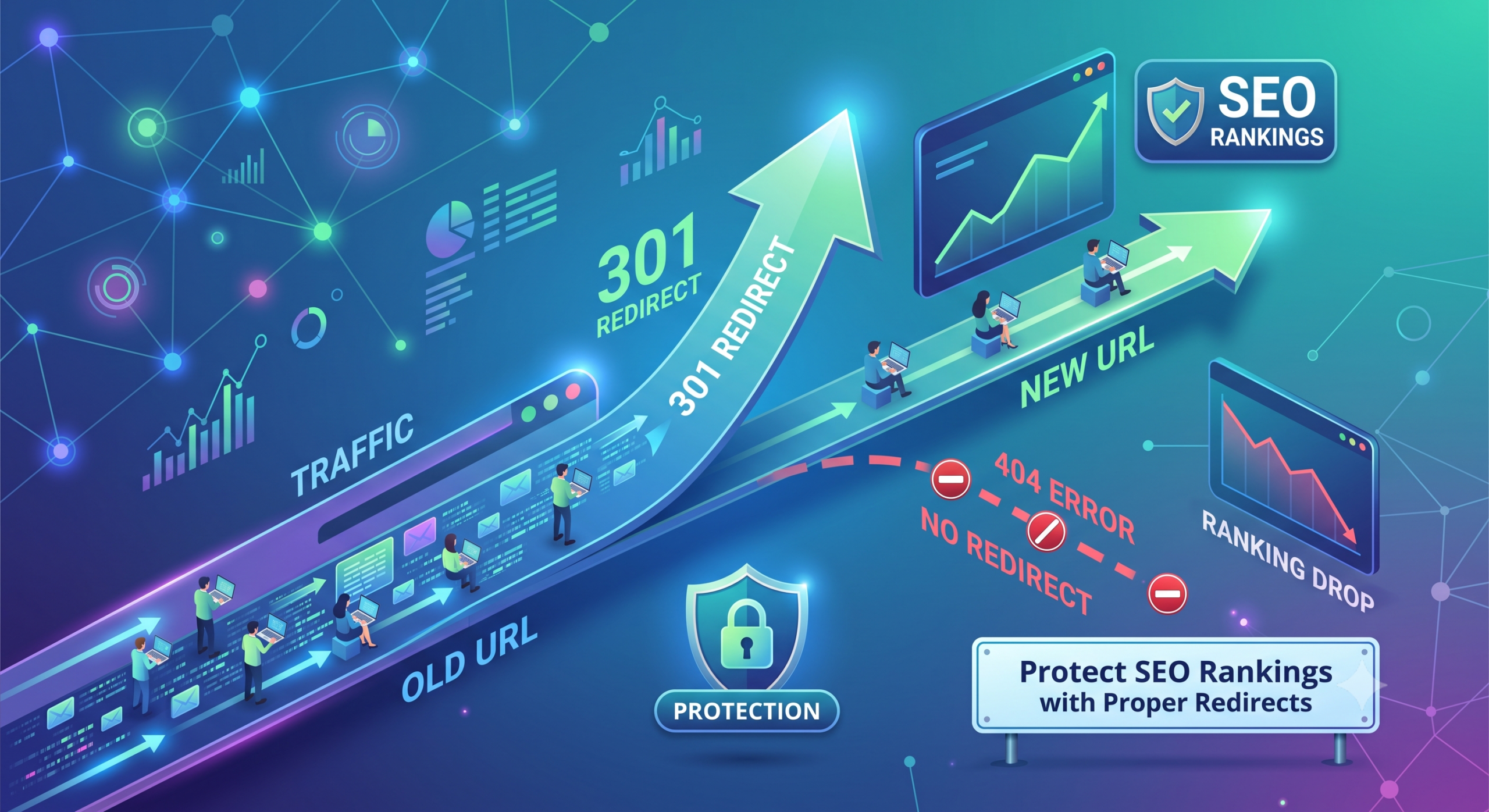
The biggest danger in a website relaunch is that you might lose your rankings due to incorrect redirects. Removing or changing old URLs can cause search engines to see the new pages as new content.
Redirect old pages to new pages that are relevant. Do not redirect all pages to the home page, as this can negatively affect the user experience and the SEO signals.
While being redirected:
1. Identify any URLs that have been modified or removed
2. Redirect old pages to the most similar content
3. Remove redirect chains
4. Check for broken links
5. Test all redirects prior to launch
A well-considered redirect strategy can pass on any existing SEO value and keep the website’s authority.
Optimize Website Content for Search Intent
If you are about to launch a website, it’s a great time to revamp old content and target keywords. Content quality, relevance, and user satisfaction are key priorities for search engines in 2026.
Check all key pages and refresh content for the search intent. Rather than targeting keywords, produce valuable content that addresses the questions of users.
During content optimization:
1. Improve outdated information
2. Include relevant keywords as part of the natural text
3. Enhance the headings and formatting
4. Improve readability
5. Include clear calls to action
Quality content leads to improved rankings, engagement, and the likelihood of being featured in AI-driven search results.
Improve Technical SEO Before Launch
After a website relaunch, technical SEO is a big part of website performance. However, a website that is visually appealing will not be successful if search engines cannot crawl, index, and understand it.
Before going live, check essential technical elements, including:
1. XML sitemap accuracy
2. Robots.txt settings
3. Canonical tags
4. Mobile responsiveness
5. Page loading speed
6. HTTPS security
7. Structured data implementation
The speed of a website and Core Web Vitals remain a factor in user experience and search visibility. Optimizing images, cutting down on unnecessary scripts, and enhancing server performance can provide a quicker browsing experience. A technical SEO checklist will make sure your new website is ready for search engines and users.
Focus on User Experience and Conversion Optimization

SEO is tightly intertwined with user experience today. Usability is important in search engine rankings because search engines study how visitors are using websites.
When relaunching a website, pay attention to a seamless user experience on all devices. Your services should be easily understood by visitors, important information should be readily available, and desired actions should be easily completed.
Key UX enhancements are:
1. Mobile-first design
2. Clear navigation menus
3. Easy-to-read content
4. Strong internal linking
5. Faster page interactions
6. Simple conversion paths
Organic traffic is more likely to be attracted and converted to leads or customers when the website has good SEO and a great user experience.
Perform a Complete Pre-Launch SEO Testing Process
Prior to launching your revamped website, do comprehensive testing to find any potential problems. A pre-launch checklist helps you avoid technical issues that can impact your ranking once your website is live.
Test areas such as:
1. Page indexing settings
2. Redirect functionality
3. Internal links
4. Forms and conversion elements
5. Mobile performance
6. Page speed
7. Schema markup
Ensure that the staging site is not indexed before it goes live. Leaving a development version of a site indexed can cause duplicate content problems. A comprehensive testing program minimizes risks and makes the transition easier.
Monitor SEO Performance After Website Launch
The SEO process doesn’t stop once your website is live. Post launch monitoring is crucial to detect issues early and maintain your search presence.
Monitor key performance indicators following launch such as:
1. Organic traffic changes
2. Keyword rankings
3. Indexing status
4. Crawl errors
5. User engagement
6. Conversion rates
There are some changes in rankings that are expected after making a big change in your website, but if you act quickly, you can avoid traffic loss.