
What is Technical SEO and Why It Matters
Technical SEO is the process of improving a website’s technical structure to enable search engines to crawl, understand and index the pages easily. While content-driven SEO involves keyword optimization and quality content, technical SEO includes various factors that enhance a website’s ability to be found in search results. Some of these are site speed, responsiveness on mobile devices, secure connections, structured data, and clean site architecture.
Technical SEO, if done correctly, will provide a solid base for all other SEO strategies. Even if it’s a very good article, it won’t rank if search engines have trouble accessing or understanding the site. Technical signals have a role in search engines to gauge the usefulness, speed and accessibility of a website. Technical SEO is a key component of any successful digital marketing strategy, particularly for businesses looking to boost their organic growth and search engine rankings over time.
Improves Crawlability and Indexing
The primary advantage of technical SEO is to enhance the crawling and indexing process of search engines for a website. Bots are used by search engines to crawl the web pages and add the information to their database. These bots may find it hard to navigate if there are broken links, poor internal linking, or blocked pages.
Effective internal linking architecture and a neat, properly structured XML sitemap guarantees that all key pages are readily accessible and linked from a logical location. It also includes proper management of robots.txt file, which tells search engines which pages to follow and which to avoid. Optimized crawlability allows search engines to find new and fresh content quicker.
Accurate indexing is also enhanced. Those pages that are supposed to be included in search results are stored and duplicate or not valuable pages are not included. This will prevent confusion and search engines from showing your users the most relevant pages. Therefore, websites get a higher ranking and more consistent search performance.
Enhances Website Speed and Performance
Page speed is an important part of technical and user satisfaction. The longer pages take to load, the more bounce rates and lower engagement they will have, and this will have a negative impact on rankings. Users appreciate fast and efficient websites and search engines value them for this reason.
Technical SEO tackles problems of performance by optimizing images, minimizing extraneous code, implementing browser caching, and using CDNs. These enhancements ensure that pages will load fast on various devices and Internet connections. The few seconds of delay can be a big difference with user behavior and that’s why it is crucial to optimize for speed.
Hosting quality and server response times are also very linked to performance. An optimized site will guarantee that the servers can answer demands in a prompt method, hence decreasing delay. So not only will fast websites be better ranked, they will also have more visitors staying longer, exploring more pages, and converting into customers. Site speed is therefore a fundamental aspect of good technical SEO.
Strengthens Site Architecture and User Experience
A well-developed web page improves search engine and visitor access to content. Technical SEO is very much about site architecture, making sure pages are structured in a logical manner. This is easier for search engines to comprehend the connections among various parts of a site.
Clear navigation menus, internal linking strategies, and organized categories all help to increase usability. If it’s easy for readers to locate the information they need, they’ll be more inclined to remain reading and exploring the rest of the content. This enhances engagement which signals search engines.
A good site architecture will also help minimize the number of orphan pages (pages that are not linked to from any other page on the site). These pages may not be found by search engines and therefore, they may not be as visible. Technical SEO ensures that each page is linked correctly, which can enhance their visibility and user experience.
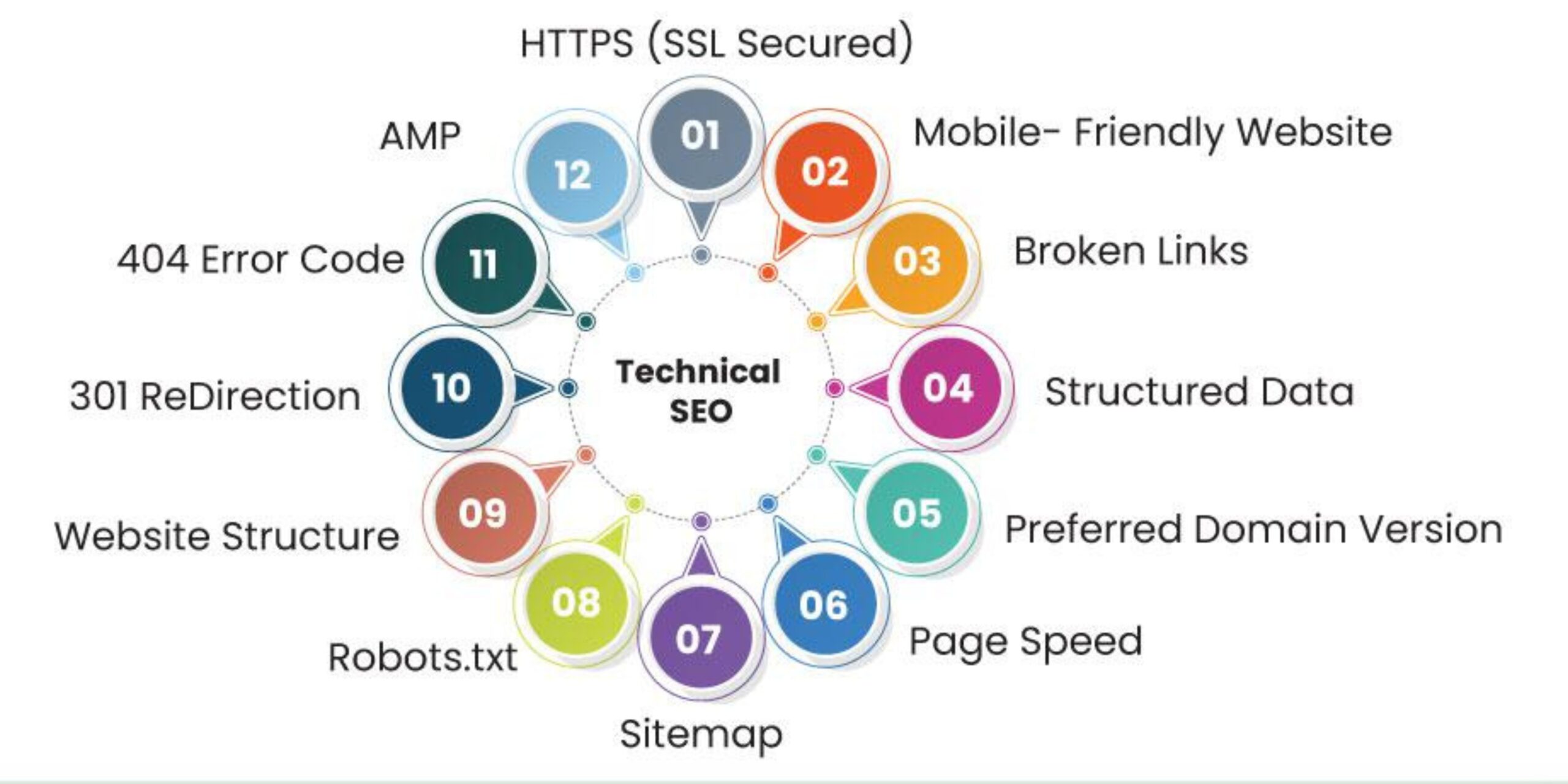
Mobile Optimization and Core Web Vitals
One of the essential elements of contemporary technical SEO is mobile optimization. A major number of users are surfing websites with mobile devices, so search engines give preference to mobile-friendly websites. Responsive design means a website can adjust to screen sizes easily and without compromising the usability or readability.
Another aspect of Technical SEO is optimizing Core Web Vitals, which are metrics that reflect the performance of a website and thus the user experience. These include loading performance, interactivity and visual stability. A well-designed website is more likely to rank higher in search results.
Failing to address these problems can impact both the user experience and search visibility, which can have negative effects. The optimization of mobile devices includes compression of media files, simplifying design elements and also making it touch-friendly to navigate. With these factors taken care of, websites will be easier to access and more engaging on every platform, which will, in turn, increase visitations and engagement.
Structured Data and Search Visibility
Another key aspect of technical SEO is structured data, which aids the search engine in comprehending the content of a website. Schema markup helps websites give more context to their pages, like product information, reviews, articles, events or services. This helps search engines to show rich results in search results.
Rich results can also feature additional elements such as star ratings, images or FAQs, which can further boost click-through rates. If a page is already ranking well, structured data can help enhance its appearance and competitiveness in search results.
Technical SEO makes sure that structured data is in place properly and according to search engine recommendations. Rich results can either not appear or negatively affect visibility if there are errors in the markup. When done correctly it improves content interpretation and presentation, and makes websites more visible in the search engines.
Structured data also enhances content relevance by enabling search engines to better match pages with relevant queries from users. This helps you boost the likelihood of attracting high-quality traffic that will be more receptive to your content or more likely to become customers.
Security, Accessibility, and Long-Term Stability
Technical SEO is also crucial for website security and accessibility. Search engines love secure sites with HTTPS encryption as it keeps users safe and their data secure. Security signals contribute to trust and safe browsing experiences, thus having a positive impact on rankings.
Another key consideration is accessibility. Accessibility designed websites enable access to websites for people with disabilities. This includes appropriate use of alternative text for images, legible fonts, and navigating with a keyboard. Search engines appreciate accessibility because it makes users’ experience more enjoyable.
Long-term stability is guaranteed when technical SEO is carried out consistently. Frequent audits can uncover problems, like broken links, duplicate content, or crawl errors. A well-built website will maintain its performance and visibility over time without the problems that could arise.
Technical SEO is not a one-off effort but should be considered a continuous process that helps support all other digital optimisation initiatives.