What Is Print Design?
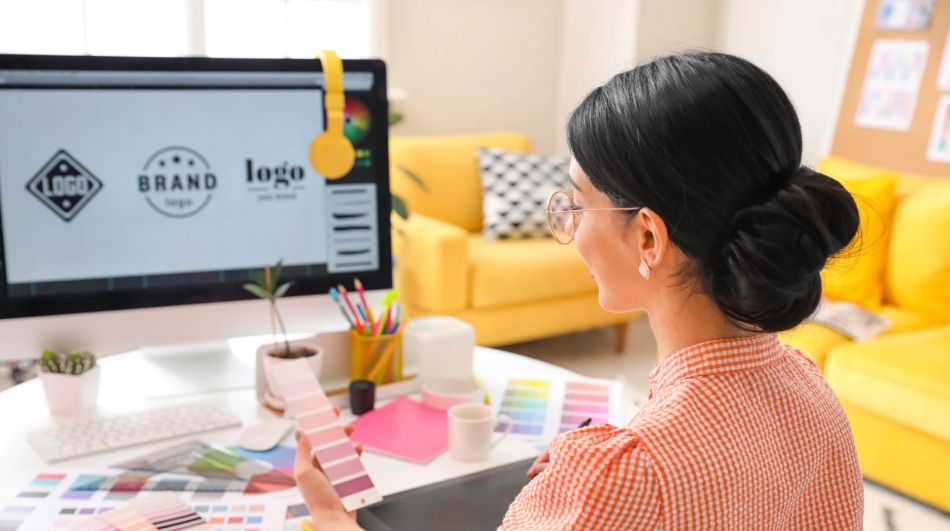
Print design is the process of creating visual content intended to be physically printed on materials such as paper, fabric, plastic, or other surfaces. It combines creativity, layout techniques, typography, and color theory to communicate messages effectively through tangible media. From business cards and brochures to posters and packaging, print design plays a crucial role in marketing, branding, and communication.
Even in today’s digital-first world, print design remains highly relevant because it offers a tactile experience that digital media cannot replicate.
Understanding Print Design
On its part, print design is concerned with creating images that are both attractive and effective in a physical form. Print design, in contrast to digital design, which has variable screens and resolutions, is more detail-oriented, as the product is permanent.
The designers have to be mindful of such factors as paper quality, ink, color accuracy, and print techniques. When printed, errors are very expensive to correct and this is why planning and accuracy is crucial.
Print design is mostly applied to:
- Business cards
- Flyers and brochures
- Posters and banners
- Magazines and books
- Product packaging.
Key Elements of Print Design
Designers use a number of elements to design successful print materials.
Typography
Typography is a style and layout of text. The selection of fonts, size, and spacing is very important in terms of readability and good appearance. Typography in print design should be clear and easy to read as in the digital screens as the user cannot zoom in.
Color
Print design is designed with a color system known as CMYK (Cyan, Magenta, Yellow, and Black) which is not similar to the digital screen color system (RGB). The color accuracy of designers is important in that what is displayed on the screen, should be identical to what is printed.
Layout and Composition
A well-organized design assists in taking the reader through the material. A grid, alignment and spacing help designers to establish balance and hierarchy. This is so that significant information is highlighted and easily comprehensible.
Images and Graphics
In print design, high-resolution images are critical. Poor quality images may be pixelated on printing. The images are carefully chosen and edited by the designers to complement the message and remain professional.
Types of Print Design
The print design is a broad area of materials which have varied applications.
Marketing Materials
These are brochures, flyers, posters and banners utilized in product or service advertisement. This is aimed at capturing attention and conveying important information in a short period of time.
Editorial Design
The editorial design is concerned with magazines, newspapers, and books. It entails structuring sections of extensive texts and pictures in an aesthetically appealing manner.
Packaging Design
The product containers and labelling are done through packaging design. It is a combination of branding, functionality, and color to appeal to customers and deliver necessary information about the product.
Corporate Design
Business cards, letterheads and envelopes fall under corporate print design. These resources can be used to have a consistent brand name and a professional impression.
Print Design and Digital Design
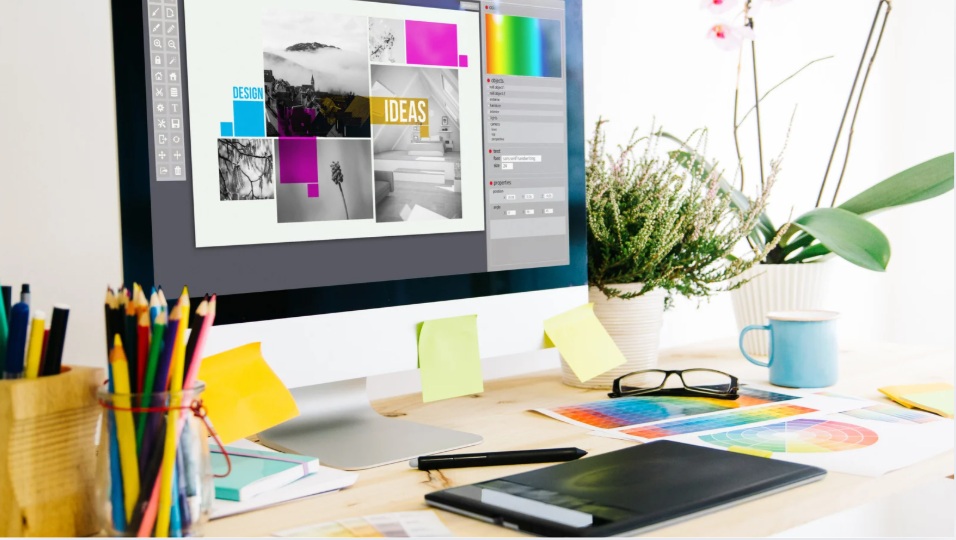
Although both print and digital design have similar principles, they also differ in their implementation and limitations.
Print design is not dynamic, it is permanent and as such all details should be completed before production. On the other hand, updates and interactivity are possible with digital design.
Resolution is another significant dissimilarity. Print design needs high resolution files (usually 300 DPI) and digital design employs lower resolution that is screen friendly.
Additionally, print design involves physical considerations such as paper type, finishing techniques, and printing methods, which are not relevant in digital formats.
Importance of Print Design
Designing print is still a critical component of communication and branding due to a number of reasons.
Tangible Experience
Printed material offers physical experience that involves more than one sense. Taking a brochure or a magazine will provide a better connection than looking at the content on a screen.
Credibility and Trust
Print materials that are professionally designed seem to be more credible and trustworthy. Print design is used in businesses to gain authority and create an impression.
Brand Consistency
Print design assists in ensuring consistency of branding in the different materials. The use of unchanged colors, fonts and designs strengthens brand awareness and identifies a business.
Best Practices for Effective Print Design
Creating high-quality print design requires both creativity and technical knowledge.
Here are some best practices to follow:
- Use high resolution images to make it clear.
- Use fonts that are easy to read and do not overlap.
- Use a similar palette of colors.
- Make good use of white space.
- Read and then proofread before printing.
- Planning ahead and testing designs through mockups can help avoid costly errors.
Nobody can afford to make mistakes and to prevent it, planning ahead and testing the design with mockups can be a good idea.