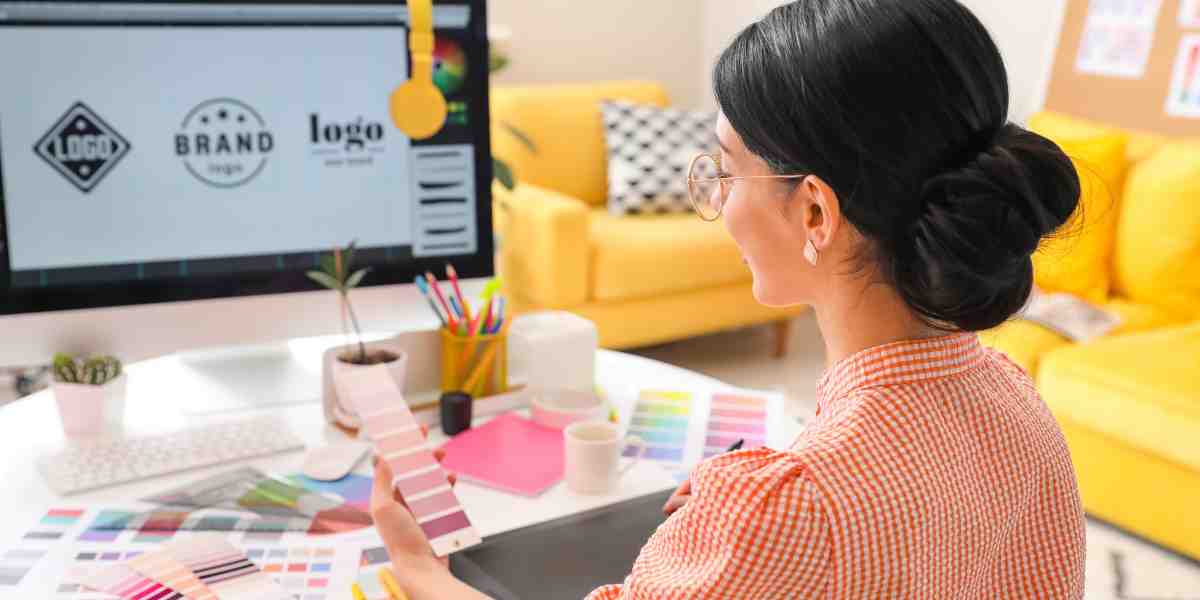
What Is Logo Design?
In today’s competitive business world, first impressions matter more than ever. One of the most powerful tools a business has to make a strong first impression is its logo. But what is logo design, really? Is it just a symbol, or is it something much deeper?
Logo design is the art and strategic process of creating a visual symbol that represents a brand. It combines creativity, psychology, typography, color theory, and marketing strategy to communicate a company’s identity in a simple yet powerful way.
In this guide, you’ll learn what logo design is, why it matters, the types of logos, graphic design, the key elements of a great logo, and how professional logo design impacts business success.
What Is Logo Design?
Logo design refers to a visual mark that is distinct to a business, organization, product or personal brand. Customers tend to see the first thing about a brand, and a logo is a very important aspect of brand identity.
A well-designed logo:
- Represents the company’s values and personality.
- Builds brand recognition
- Creates trust and credibility.
- Sets a business apart from competitors.
For example, the Nike iconic swoosh immediately conveys movement and performance. McDonalds golden arches are associated with world recognition and quick service. These logos are not complicated, but extremely strong.
Logo design is not merely a matter of creating something that is good to look at. It is all about developing a strategic visual image that resonates with the target audience.
Why Is Logo Design Important?
The visual identity of a brand is based on a logo. It is placed on websites, social media, on packaging, business cards, and in advertisements, etc. Since it is applied everywhere, it should be versatile and meaningful.
Creates a Strong First Impression
Opinions are made within a few seconds. A professional logo is an instant indication that a business is a legitimate and trustworthy one.
Builds Brand Recognition
Regular use of the logos will assist the customers to recall a brand. The logo in the long run is linked to the products or services of the company. Think about Apple. The plain symbol of the apple is identified worldwide without the use of text.
Differentiates You From Competitors
In saturated markets, it is necessary to be unique. A special logo will make the customers differentiate your brand with other brands that provide similar services or products.
Supports Marketing and Branding Efforts
A logo serves as the visual reference point of all the marketing materials. Your logo has to do with everything, whether it is websites or billboards.
Types of Logo Design
Modern branding has a number of common logos. The selection of the right one depends on your business objectives, industry and audience.
Wordmark (Logotype)
A wordmark logo pays attention to the name of the business with bespoke typography. These are Google and Coca-Cola.
The style is effective when dealing with companies that have unique names and good typography.
Lettermark (Monogram)
Lettermarks do not use the entire business name, but initials. Indicatively, IBM is clean and professional in its use of initials. It is most suitable in firms whose names are lengthy.
Symbol or Icon (Brandmark)
A brandmark is one that employs a textless symbol. A typical example is the logo of Twitter (the bird icon). Brandmarks must have good brand recognition in order to be effective.
Combination Mark
A combination logo entails a text and a symbol. This style is favored by many companies as it is flexible and clear.
Key Elements of Effective Logo Design

Not all logos are created equal. A successful logo design follows important design principles to ensure it communicates the right message.
Simplicity
Simple logos are more recognizable and memorable. Intricate designs do not work well when reduced or applied to other forms.
Memorability
A logo must make an impression. This is done with unique shapes, ingenious symbolism or unusual typography.
Relevance
The brand should design in accordance with the industry and audience. As an illustration, a law firm logo must be professional and credible whereas a children’s brand could be fun and vivid.
Versatility
An effective logo can be used in many different mediums and sizes – in social media icons, or in huge banners. It must be beautiful in color or black and white.
Timelessness
Fashionable designs are good today and obsolete tomorrow. Powerful logo design is concerned with relevancy over the long-term.
The Logo Design Process
Design of a professional logo is not a rush drawing.
Here’s how it typically works:
Research and Discovery
The first stage that designers take involves knowing the mission, values, target audience and competitors of the brand. This step establishes the strategic base.
Concept Development
Sketches and ideas are developed on the basis of research. Designers experiment with various styles, fonts and symbols.
Digital Creation
The best concepts are refined using professional design software. Colors, typography, and layout are perfected.
Feedback and Revisions
Client feedback is factored in to enhance the design and make sure that they are aligned to brand objectives.
Final Delivery
The last logo is provided in various formats, which can be printed and used digitally.
How Logo Design Impacts Business Success
Many business owners underestimate the power of professional logo design services. However, a strong logo can directly influence business growth.
Builds Trust and Credibility
Professional-looking brands are more likely to be trusted by the consumers. Even an excellent business might not appear to be reliable with a bad logo.
Increases Brand Loyalty
Customers will tend to come back when they develop an emotional attachment to a brand. An iconic logo reinforces that relationship.
Improves Brand Recognition
The better your brand is the more the customers view and recall your logo. As time goes by, your logo is an image of your reputation.
Common Logo Design Mistakes to Avoid
Although the logo design might be a simple task, there are numerous mistakes that are made at very high costs by numerous businesses.
- Using too many colors or fonts
- Following the short-term fashions in design
- Copying competitors
- Selection of poor design services
- Ignoring scalability.
Avoiding these mistakes ensures your logo remains effective for years.
Professional Logo Design vs. DIY Logo
Some business proprietors opt to create logos themselves, with the presence of online tools. Although DIY solutions can be cost effective in the short term, they can be less strategic and creative.
Professional designers have brought:
- Branding expertise
- Psychology of color
- Technical design skills
- Market research insights.
When the professional logo design is invested in the success of the brand is likely to be more successful in the long term.