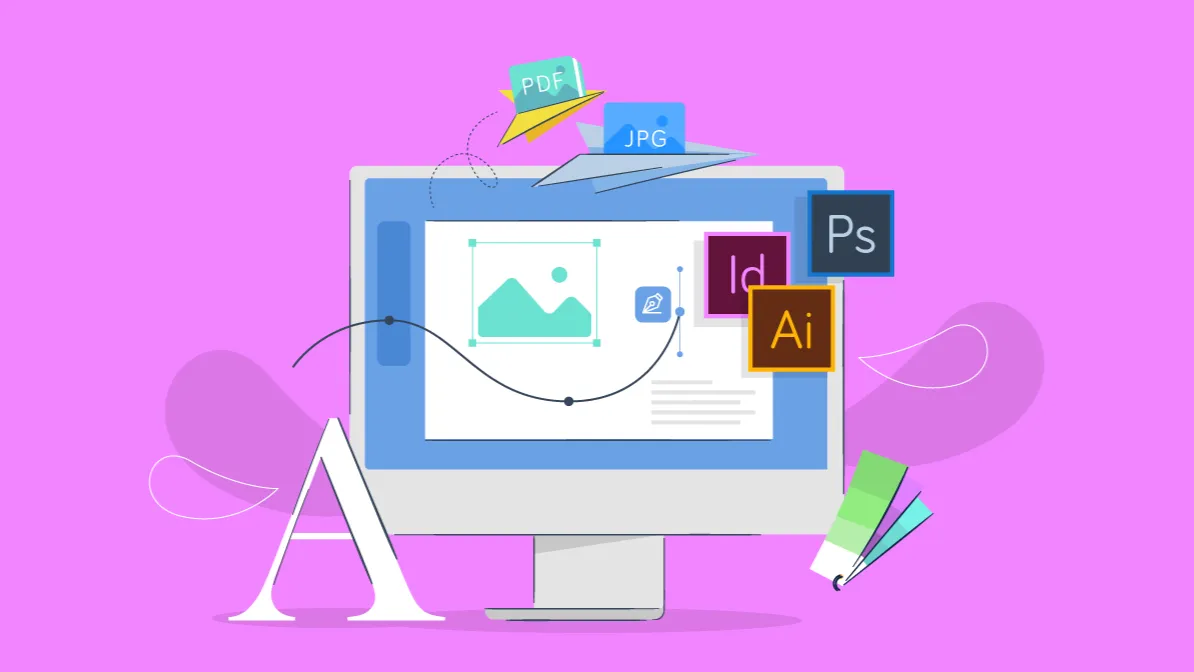
What Is Digital Graphic Design?
Digital graphic design is the art and practice of creating visual content using digital tools. It combines creativity, technology, and communication to deliver messages through images, typography, colors, and layouts. From social media posts to websites and mobile apps, digital graphic design plays a vital role in how we interact with content every day.
In simple terms, digital graphic design is about making ideas visually appealing and easy to understand using software instead of traditional hand-drawn methods.
Understanding Digital Graphic Design
Digital graphic design is oriented at designing images on screens and not print. The graphic designers work with special software to develop visual images which can be displayed in the computers, phones, tablets and other digital tools.
Digital design is flexible, easy to edit and produces faster as compared to the traditional design. Designers do not need to create a design every time by starting fresh with colors, shapes, and layouts.
It is not only to make something look good, but also to convey a message effectively and concisely.
Key Elements of Digital Graphic Design
To get a better idea of digital graphic design, it is better to be familiar with the principal elements of it. These parts are combined to make attractive designs.
Typography
Typography is defined as the style and structure of writing. The right selection of fonts, sizes, and spacing contributes to the readability, as well as provides personality to the design.
Color
Color is an influential factor of design. It is capable of affecting emotions, drawing attention and emphasizing key information. Color combinations are very carefully chosen by the designers to suit the purpose of the design.
Images and Graphics
The message is supported with photos, illustrations, icons, and other visuals. Good images may help in making a design more interesting and professional.
Layout
Layout refers to the arrangement of everything on a page or a screen. The design must be properly organized in a well-structured layout to make it look attractive and easy to navigate.
Space
It is the blank space surrounding elements also referred to as white space. It assists in avoiding messiness and enhances readability.
Types of Digital Graphic Design
Digital graphic design is a wide subject which has various specializations. Each is aimed at a particular purpose and an audience.
Web Design
This entails coming up with the appearance and the feel of websites. It comprises layout, colors, buttons and user experience to make the site easy to navigate.
Social Media Design
Designers produce images on such platforms as Instagram, Facebook, and LinkedIn. The purpose of such designs is to draw attention and stimulate interest.
UI and UX Design
User Interface (UI) and User Experience (UX) design are concerned with the way the users interact with digital products such as apps and websites. This is aimed at making them user friendly and intuitive.
Branding Design
Branding means developing a visual identity of a business. This comprises logos, color scheme, and design style that depicts the brand.
Motion Graphics
Motion graphics is a combination of design and animation. They are normally applied in videos, adverts, and presentations.

Tools Used in Digital Graphic Design
There are a number of tools and software used by digital graphic designers in order to produce their work.
Some popular tools include:
- Image editing by Adobe Photoshop.
- Adobe Illustrator, a vector graphic program.
- Canva to get the simple and fast designs.
- Figma for UI/UX design.
- Adobe After Effects motion graphic.
These applications are used to make the ideas of designers to materialize effectively and in a professional manner.
Why Digital Graphic Design Is Important
The digital world requires digital graphic design. It aids companies, brands and people in communicating.
Improves Communication
Plain text is not easy to comprehend as compared to visual content. A graphically well-constructed graphic is able to explicate tricky concepts in a short period.
Builds Brand Identity
Regular design aids in making a brand to be identified and remembered by individuals. The identity is made using logos, colors and styles.
Increases Engagement
Beautiful images catch the eye and prompt individuals to engage with content particularly in social media.
Supports Marketing Efforts
Online marketing involves the use of digital design. Virality will help to increase clicks and conversion through eye-catching ads and banners.
Skills Required for Digital Graphic Design
A designer requires both creative and technical skills to be successful in digital graphic design.
- Creativity and imagination
- Attention to detail
- Knowing about design principles.
- Design software knowledge.
- Communication skills
- Time management
These competencies assist designers to come up with effective and quality designs.
How to Get Started in Digital Graphic Design
If you’re interested in digital graphic design, getting started is easier than ever.
Begin by learning the basics of design principles such as color theory, typography, and layout. You can take online courses or watch tutorials to understand how design works.
Next, practice using design tools. Start with simple projects like social media posts or posters. As you gain confidence, you can work on more complex designs.
Building a portfolio is also important. It showcases your skills and helps you attract clients or job opportunities.