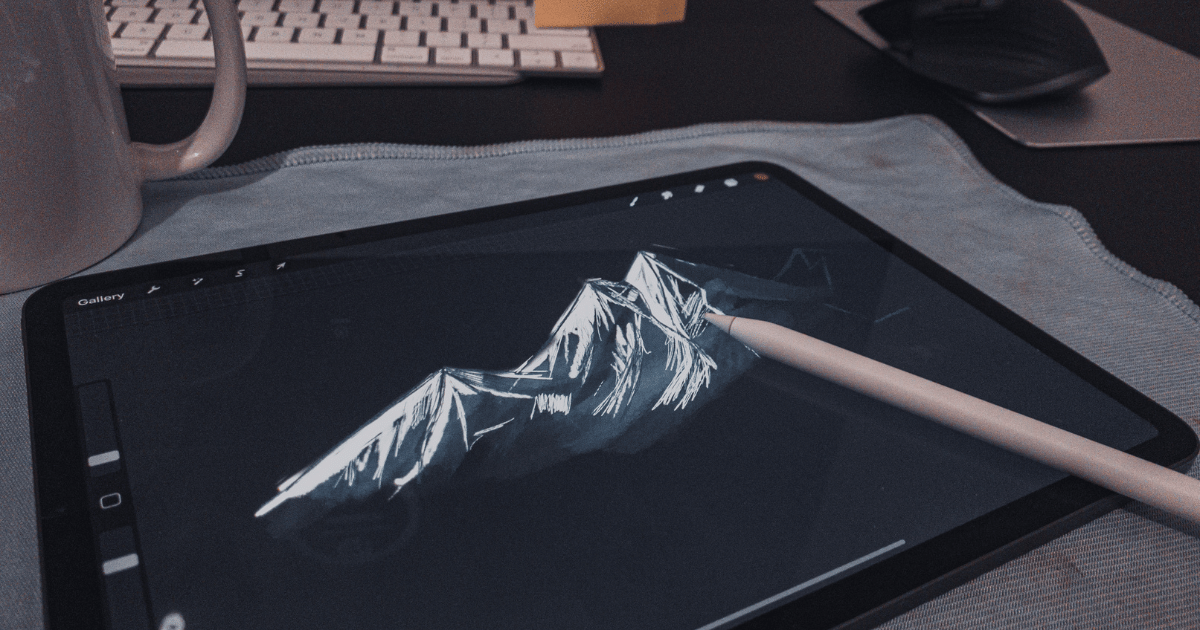
Is Graphic Design Included in Web Design
In the dynamic landscape of digital media, the roles of graphic design and web design tend to overlap causing questions about their relationship. Are these two parts the same or do they function differently? In this blog, the intricacies of both graphic and web design are discussed, and how they overlap and where they differ are discussed.
Understanding Graphic Design
Graphic design is a wide area involving the design of visual content meant to convey messages. This covers everything from logos and brochures to ads and packaging. The main purpose of graphic design is to communicate ideas using typography, graphics, color and form. Graphic designers are concerned with aesthetics and functionality and strive to make the visual elements communicate the message effectively.
Major Components of Graphic Designing
Typography: The craft of setting type to make the text readable, legible, and attractive to look at.
Color Theory: Knowing how colors interact and affect perception and emotions, respectively.
Layout: The layout of visual elements in a page to form a unified and interesting design.
Imagery: The use of photographs, illustrations and icons to improve the visual impact and to convey messages.

Defining Web Design
Web design that is specifically geared toward designing websites, is a mixture of graphic design, user experience (UX) design and information architecture. The web designers want to build functional, attractive, and user-friendly websites that meet the needs of both the business and its audience.
Components of Web Design
– User Experience (UX) Design: Making sure that the website is user friendly and easy to navigate and gives the user a smooth experience.
– Information Architecture: The ordering of content in logical and accessible manners.
– Responsive Design: Developing websites that work well on different devices such as desktop, tablets, and smartphones.
– Interactive Elements: With the inclusion of buttons, forms and animations to increase user engagement.
Graphic and Web Design – The Intersection
Graphic design and web design are two different professions, but they overlap in many ways. Both fields demand a high level of visual aesthetics and ability to convey through design. This is how graphic design is important in web design:
Visual Aesthetics
Graphic design principles are the basis of creating visually attractive websites. The availability of color, typography and imagery in web design directly borrows from the graphic design methods. A good website attracts attention and delivers a message of the brand through its visual elements.
Branding
Businesses require consistent branding and graphic design plays a major role in brand creation and maintenance. Graphic design is used by web designers to produce logos, color schemes, and typography that correspond to the brand’s personality and values to achieve a consistent look on all digital platforms.
User Engagement
Attracting users is a major objective of graphic and web design. With the help of attractive graphics, web designers can increase user engagement and stimulate interaction. This involves the use of icons, illustrations and animations that not only beautify the website but also direct the users during their journey.
Differences Between Graphic and Web Design
Although similar, graphic design and web design have different purposes and different skill sets.
Static vs. Dynamic
Graphic design generally means developing static images or layouts, such as print items and digital graphics. These designs are intended to be seen and enjoyed in a fixed format. Web design, however, is about designing dynamic interactive experiences. Websites should work in different devices and browsers and must respond to different screen sizes and the way users interact with them.
Technical Skills
Web design demands a great knowledge of technical skills than graphic design. Web designers have to know some coding languages, including HTML, CSS, and JavaScript to make their designs come alive. They also need to be acquainted with web development tools and frameworks to make the site functional and performant.
User Interaction
Web design emphasizes user interaction and experience to a large extent. Unlike graphic design that focuses on a visual appeal, web design should consider how the users will interact with the website. This involves the design of intuitive navigation, fast load times, and accessibility optimization.
Graphic Design in Web Design
Although graphic design is not all that web design involves, it remains an important part. This is how graphic design helps to make successful web design:
Creating a Visual Hierarchy
Graphic design principles allow creating a visual hierarchy on websites, directing the user’s attention to the most important things. This includes using size, color and placement to distinguish between primary and secondary information, enabling the users to easily find what they are looking for.
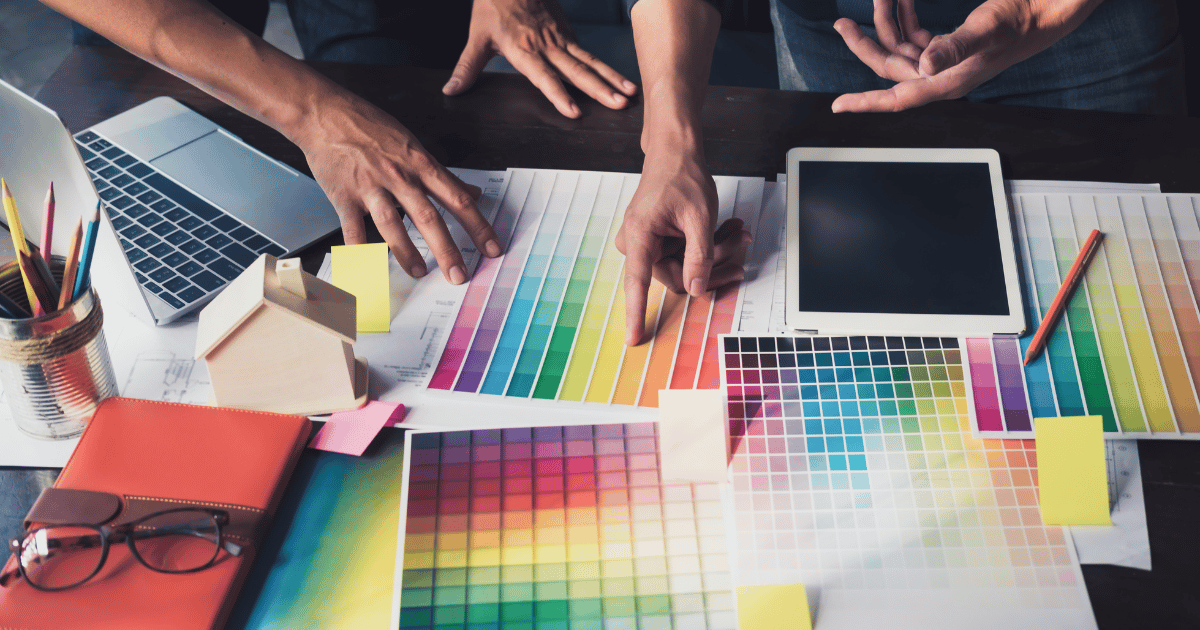
Enhancing Brand Identity
Regular application of graphic design elements including logos, color schemes, and typography contributes positively to the reinforcement of a brand’s identity throughout the website. This consistency creates trust and recognition among the users, which makes the brand more memorable.
Improving User Experience
Appealing designs can greatly improve the user experience. With the help of interesting visuals and careful design elements, web designers can make websites that are not only practical but also pleasant to use.
Finally, the cooperation between graphic and web design results in the development of attractive and efficient enough websites that will satisfy the needs of businesses as well as their audience. With the digital world continually changing, the synergy between these two fields will only become stronger, which will drive innovation and creativity in the design world.