
What is the ROI of Digital Traffic Optimization?
The ROI of digital traffic optimization is the quantifiable payoff a business will receive as a result of enhancing the quality, quantity, and conversion efficiency of its online traffic. Simply put, it is a response to a critical question: how much value are you getting back on the time, money, and effort spent on driving visitors to your site or digital platforms?
Digital traffic optimization encompasses such strategies as search engine optimization (SEO), paid advertising optimization, landing page optimization, and user experience optimization. When properly done, it does not only increase the number of visitors to the site, but also ensures that the visitors do not just go through the site, but they actually take significant actions like making a purchase, subscribing or requesting a service.
The ROI in this regard is important to understand since it links the performance of marketing directly to the revenue performance. In its absence, businesses can get traffic that appears to be good on paper but does not actually generate business.
Understanding Digital Traffic Optimization
Digital traffic optimization refers to the process of enhancing the way users find, interact and convert on your digital assets. It aims at maximizing the quantity and quality of traffic entering the channels such as search engines, social media, email campaigns, and paid ads.
It is not only to attract more visitors, but to attract the right visitors, that is, people who are genuinely interested in what you are offering. This includes studying user behavior, developing better keyword strategies, content optimization, and site performance.
For example, SEO will help to increase organic traffic, making your site more visible in search results, whereas conversion rate optimization will ensure that visitors are more likely to perform desired actions once they land on your page. Collectively, such initiatives result in a more efficient and profitable digital ecosystem.
How ROI is Calculated in Digital Marketing
Digital traffic optimization ROI is usually determined with a simple formula:
ROI = (Revenue Generated by Traffic – Cost of Traffic Acquisition)/ Cost of Traffic Acquisition × 100.
This formula assists businesses to know whether their investments in marketing are profitable. For instance, if a company spends $1,000 on digital campaigns and generates $3,000 in revenue, the ROI would be 200%.
However, ROI in online traffic is not always that simple to calculate. There are a lot of indirect drivers of revenue, including brand awareness, customer lifetime value, and assisted conversions. The use of sophisticated analytics tools assists in monitoring these factors in a more precise way.
Cost per click (CPC), cost per acquisition (CPA), conversion rate, and bounce rate are some of the metrics that marketers use to measure performance. As these measures are optimized, ROI automatically grows.
Key Drivers of ROI in Traffic Optimization
The ROI of digital traffic optimization is directly dependent on several factors. Traffic quality is one of the most crucial ones. The quality traffic will be composed of users who are more likely to engage and convert, as opposed to random visitors who exit fast.
Conversion rate optimization is another significant motivator. The slightest changes in conversion rates can greatly enhance ROI without raising traffic expenses. To illustrate, a landing page can be made more transparent or have a call-to-action, which will result in more sales with the same amount of visitors.
The efficiency of ad targeting is also important. Properly focused campaigns will minimize the amount of money wasted on advertisements and will make sure that marketing strategies are utilized efficiently. Also, user experience, which is directly related to conversions, is influenced by the speed of websites and their mobile responsiveness.
Lastly, relevance of the content is necessary. When the content is highly relevant to the user intent, the engagement is high, resulting in high ROI in all digital channels.
Benefits of Improving Digital Traffic ROI
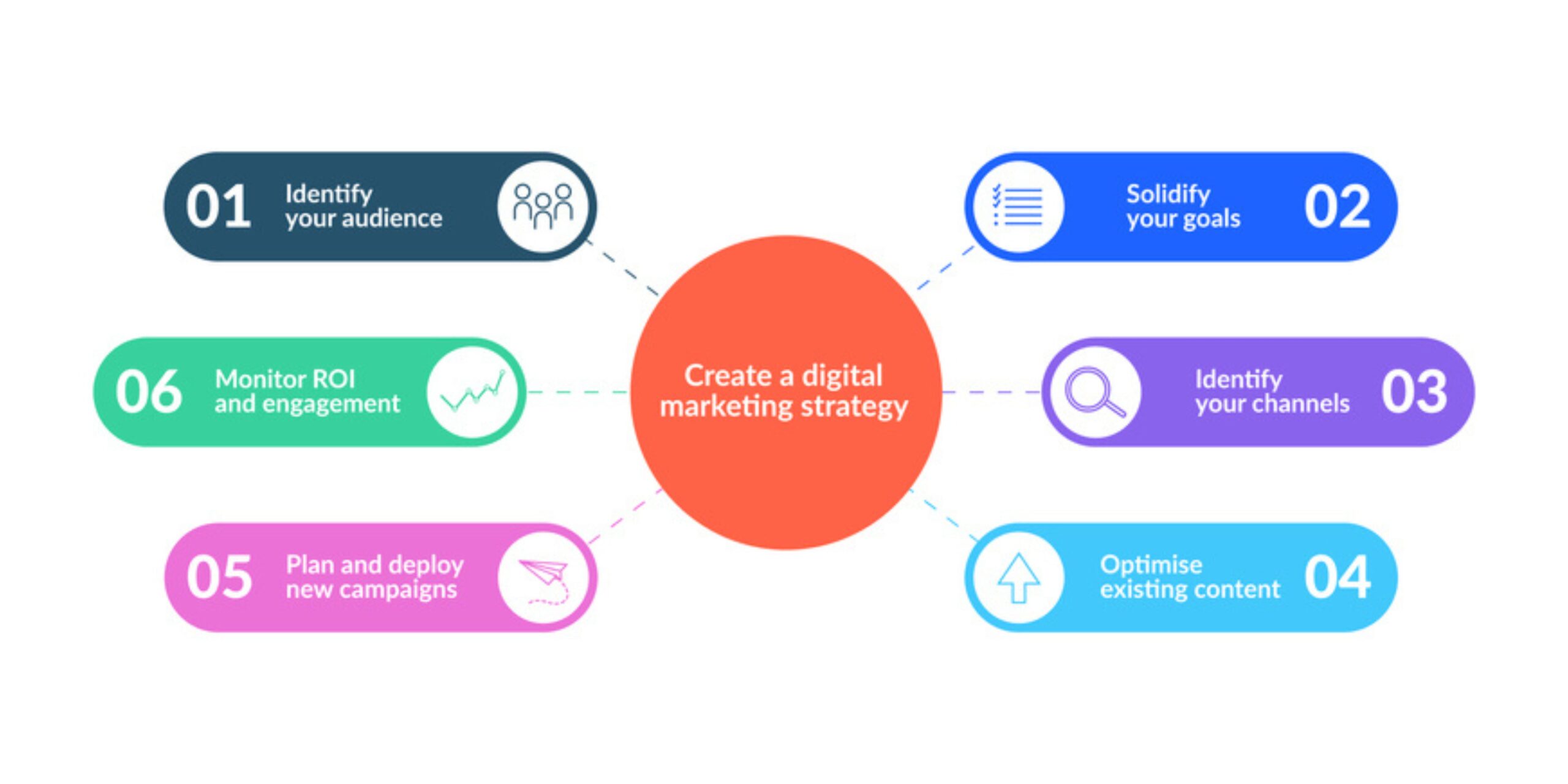
Enhanced ROI of digital traffic optimization has a number of long-term benefits to businesses. First, it enhances profitability by making sure that the marketing budgets yield greater returns. Companies are learning how to achieve more out of what they are already spending instead of spending more to get results.
Second, it enhances decision-making. By properly tracking ROI, businesses can determine which channels and strategies are doing best and allocate resources to them.
Third, it enhances customer acquisition efficiency. Optimized traffic plans will attract users with a higher likelihood of becoming a loyal customer, and the overall cost of acquisition will be reduced.
Scalability is another key advantage. When a firm has established a solid foundation of ROI, then it can comfortably scale its marketing activities knowing that as it invests more, it is likely to reap proportional returns.
Finally, it enhances competitive advantage. Those companies that constantly maximize their online traffic perform better in comparison to the competitors that base their marketing activities on unstructured or poorly measured marketing activities.
Common Strategies to Maximize ROI
Digital traffic optimization has a number of proven strategies to maximize ROI. The most efficient one is the optimization of search engines that can help businesses to receive regular organic traffic without excessive use of paid advertising. Businesses can gain visibility and engagement by using high-intent keywords and creating valuable content.
The other significant strategy is to enhance the landing page performance. Effective messaging, quick loading, and powerful calls-to-action can greatly enhance the conversion rates.
Optimization of paid advertising is also important. These involve improving audience targeting, testing ad creatives, and optimizing bidding to lower wasted spend and maximize returns.
Data analytics is also an important factor. Through constant analysis of user behavior, businesses can determine drop-off points and enhance the customer experience.
Another effective technique is A/B testing. Experimenting with variations of pages, advertisements or emails will assist in determining what works best and then it can continuously be improved in ROI.
Lastly, personalization can be used to enhance engagement by providing users with personalized content and offers depending on user behavior and preferences.
Why ROI Matters for Long-Term Growth
Digital traffic optimization ROI is not only a performance metric but also a vital indicator of business well-being and marketing effectiveness. It demonstrates whether digital initiatives are actually helping to increase revenues or merely create superficial interaction.
When companies focus on the quality of traffic, conversion optimization, and data-driven strategies, they can achieve a great deal in terms of returns and reduce the number of unnecessary costs. This results in enhanced profitability, improved customer acquisition and more sustainable growth over time.
In a competitive digital environment, the need to comprehend and optimize ROI is no longer an option. It plays a crucial role in making informed decisions, scaling marketing activities, and creating a robust online presence that can provide real business value.