What Is the Importance of Wireframing in the Design Process?
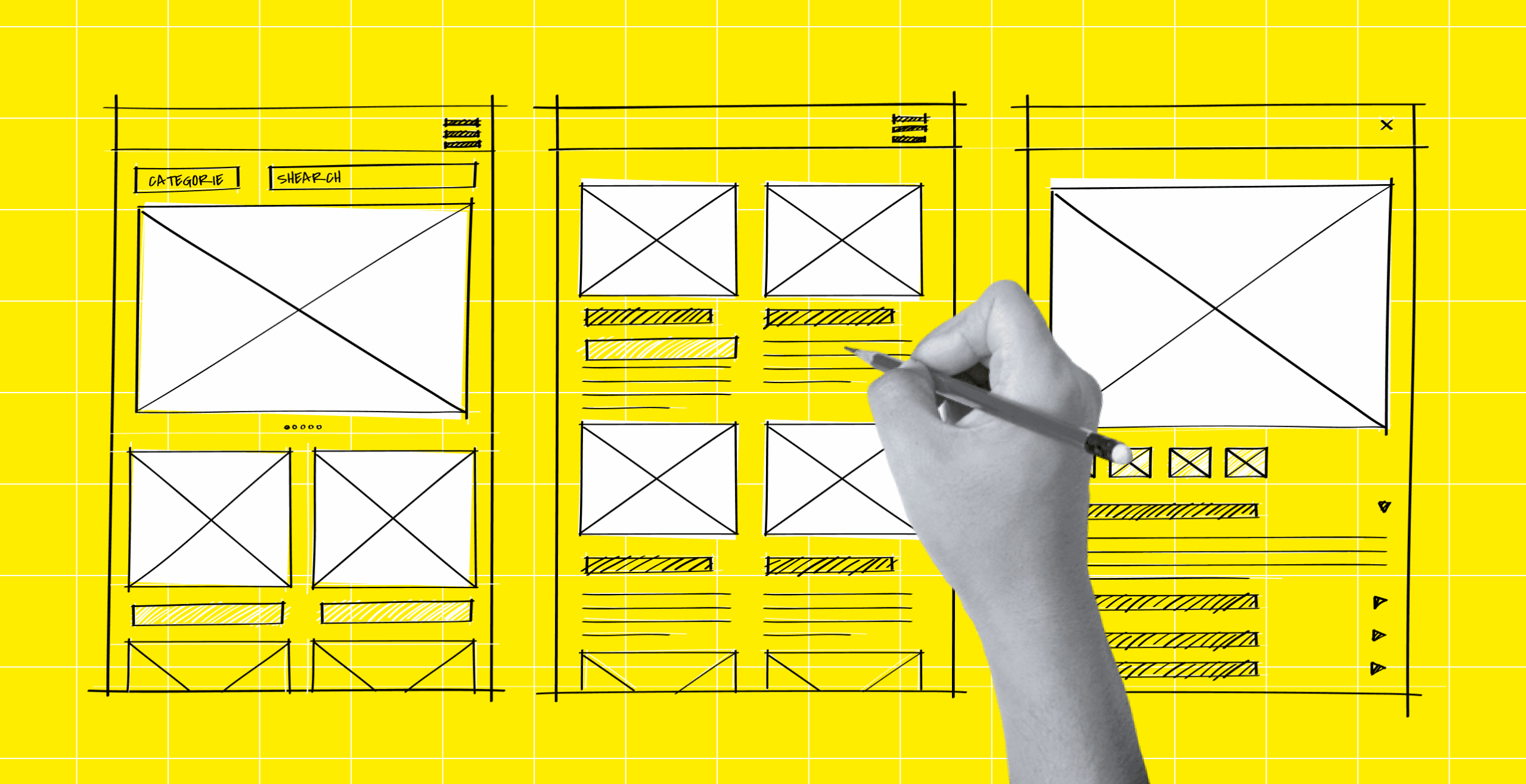
Wireframing is a very crucial step in the design process, which is frequently neglected or hurried. Wireframes are the blueprint that directs the entire project whether you are designing a website, mobile application, or a software interface. They help designers, developers, and stakeholders to visualize how a product will be structured and how it will work before progressing to the detailed design and development.
In simple terms, wireframing is about planning. It focuses on layout, structure, and user experience rather than colors, fonts, or visual polish. This early-stage clarity can save time, reduce costs, and significantly improve the final outcome.
Understanding Wireframing
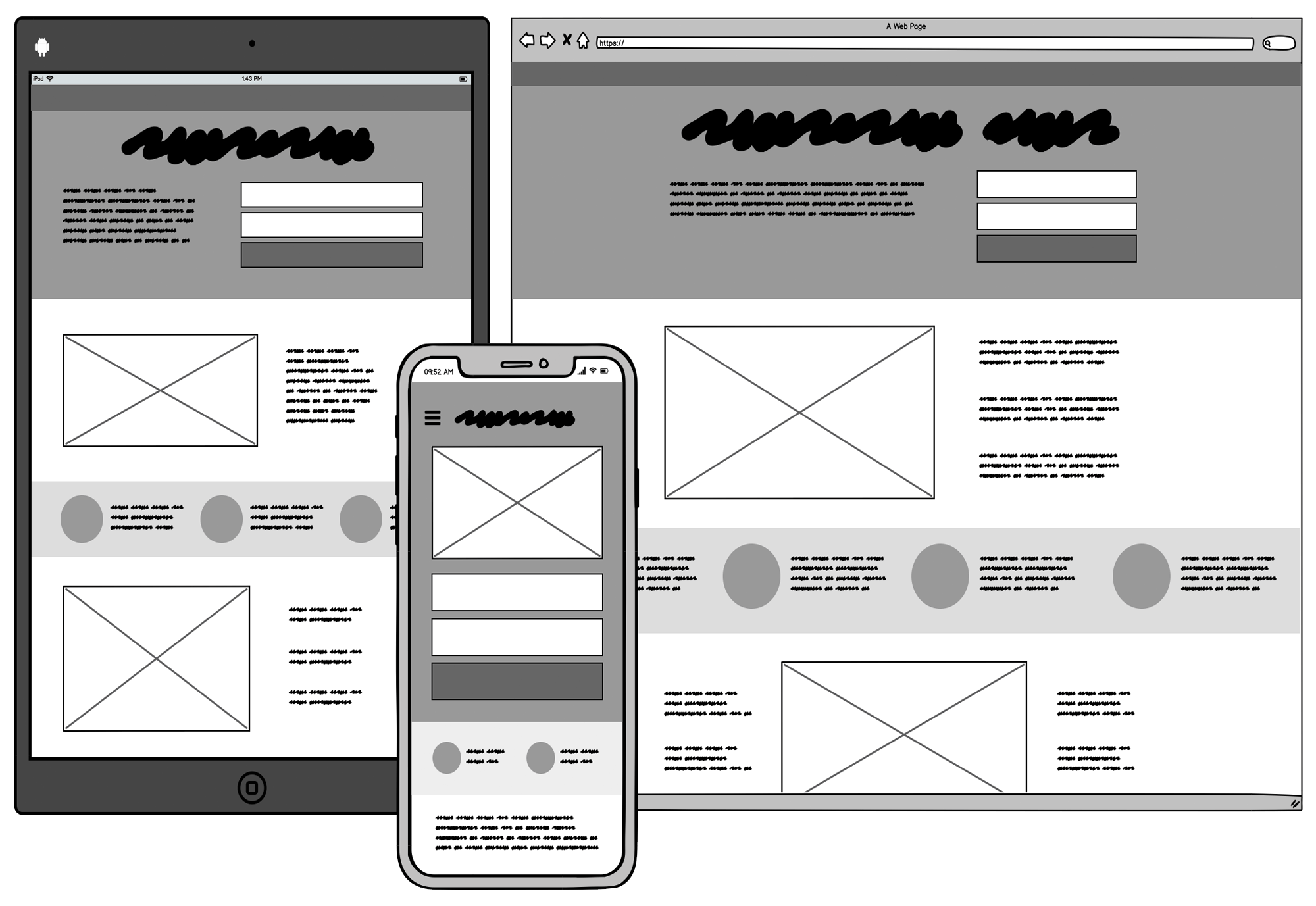
A wireframe is a simple illustration of an online product. It provides the location of such elements as navigation menus, buttons, images, and content. Wireframes are typically straightforward in contrast to high-fidelity designs and can be created in black and white or grayscale.
The primary aim of a wireframe is to establish the way a user is going to interact with the product. It emphasizes usability and functionality instead of aesthetics. Removing visual clutter, teams are able to concentrate on what is most important and how the product works.
Why Wireframing Matters in Design
Wireframing is an important part of developing successful and user-friendly designs. It gives a clear guideline to the whole project and helps teams to be on track at the outset.
Clarifies Ideas and Concepts
Transforming ideas into reality is one of the largest problems in any design project. Wireframes can be used to fill that gap, transforming abstract ideas into a systematic plan.
Rather than explaining things verbally, designers can give a graphical outline that can be comprehended by all. This facilitates the expression of ideas and also makes sure that all stakeholders are in agreement.
Improves User Experience (UX)
Any successful design is based on user experience. Wireframing enables the designers to trace the user journey and spot the possible problems at the initial stage.
Designers can make sure that users can find what they require easily by concentrating on layout and navigation. This will result in a more user-friendly and intuitive experience, which is essential in terms of user satisfaction and retention.
Saves Time and Cost
It may be costly and time consuming to make changes at the stage of development. Wireframing helps avoid this by identifying problems early in the process.
Wireframes can be modified easily since they are simple and easy to create. This flexibility enables the teams to test various ideas without wasting much time or resources.
Enhances Collaboration
The design projects usually have several team members such as designers, developers, project managers, and clients. Wireframes are a widely recognized point of reference.
They facilitate the process of sharing ideas, collecting feedback, and making decisions. Having a visual guide, it is possible to reduce misunderstandings; cooperation is more effective.
Key Benefits of Wireframing
Wireframing has multiple benefits which makes it a success in the design process. Such advantages do not only pertain to planning, but also, influence the quality of the final product.
Focus on Functionality
Wireframes are more functional than visual. This ensures that the product is viable and convenient to use before then incorporating aesthetic features.
This is because by focusing on usability, designers will be able to develop a solid base that will sustain the end design.
Early Problem Detection
Wireframes aid in the detection of usability problems, navigation, and content gaps at the early stages. These problems are easier to fix at this point than when it is in development.
Early identification minimizes the chances of significant alterations in the future, which may postpone the project and raise the costs.
Better Content Planning
Content is a crucial aspect of any digital product. Wireframing assists in deciding the location of content and the structure of that content.
This then ensures that the design is able to support the content, and the information is easier to read and interact with by users.
Provides a Clear Structure
An effective wireframe can create a hierarchy of information. It demonstrates what is most significant and the way it should be displayed.
This simplicity enhances usability and visual flow, making the product more appealing and efficient.
Types of Wireframes
The degree of detail of wireframes may differ according to the project stage. Knowing the various types can assist teams in selecting the appropriate method.
Low-Fidelity Wireframes
Low-fidelity wireframes are rough drawings or plain computer designs. They are more interested in the structure and layout without detail.
Low-fidelity wireframes can be used to brainstorm and discuss the project at the beginning.
Mid-Fidelity Wireframes
These include more detail, such as spacing, layout alignment, and basic content placement. They give a better view of the design without involving visual styling.
High-Fidelity Wireframes
These are more elaborate and can contain actual content, typography, and interactive features. Although not fully developed, they are similar to the final product.
We can use high-fidelity wireframes to test usability, and then present to stakeholders.
Wireframing and SEO Optimization
Wireframing is also involved in search engine optimization (SEO). The layout should be well-constructed, which can enhance the organization and presentation of the content, which is beneficial to users and search engines.
Planning content hierarchy, headings, and navigation at the wireframing phase helps designers to make sure that the site is easy to crawl and comprehend. This improves visibility in search results and enhances overall performance.
Also, wireframes assist in creating mobile-friendly layouts, which is a major consideration in the current SEO practices.
Best Practices for Effective Wireframing
In order to make the most of wireframing, there are a few best practices to consider.
- Maintain wireframes to be as simple as possible, and do not include extraneous information.
- Concentrate on structure and functionality instead of design. Provide clear labels and annotations to describe how various elements of the interface are going to operate.
- Early and frequent feedback is also important. Discussing wireframes with team members and stakeholders may be very insightful and may assist in the design.
- Lastly, remember the user. All the decisions that are made in the process of wireframing must be geared towards improving the user experience.
The Ongoing Value of Wireframing
Wireframing is an important part of the design process that forms the basis of successful digital products. It assists in the clearance of ideas, user-friendliness, and simplification of teamwork.
Wireframes make sure that the final design is effective and user-friendly by concentrating on structure and functionality. They also save time and save on costs by detecting any possible problems at the early stage of the process.
In the current competitive digital environment, foregoing wireframing may result in confusion, inefficiencies, and bad user experiences. This step not only enhances the quality of the design, but also increases the likelihood of developing a product that will actually satisfy the needs of the user.
Finally, wireframing is not only a part of the process, but a strategic tool that will create more successful results and make more effective design choices.