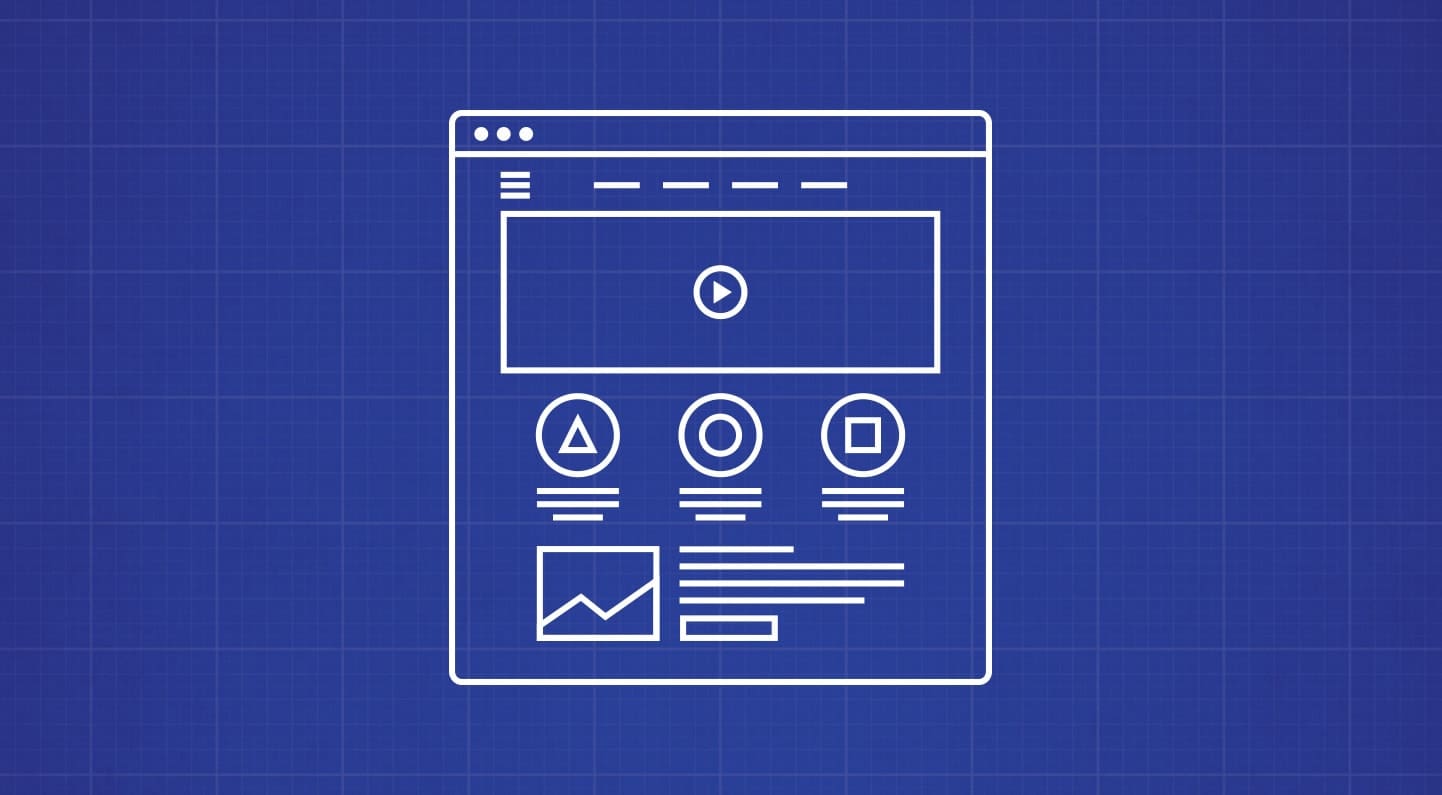
What Is a Wireframe in Web Design?
A web design wireframe is a simple illustration that indicates the fundamental layout of a web page or a website. It demonstrates the way such things as text, pictures, buttons, and navigation are going to be laid out prior to the addition of any actual design, colors, or content. Imagine it as the plan of a web site. Web designers have a blueprint to plan the layout and functionality of a website just like an architect has a blueprint to plan the layout and functionality of a building.
One of the most significant initial activities in the web design process is wireframing, as it allows designers, developers, and clients to agree on the structure and user experience before investing time in detailed design or code.
Why Wireframes Matter in Web Design
Wireframes are important in determining a successful site. They are structure-oriented and not style-oriented; this helps teams to concentrate on usability and functionality, initially.
One of the biggest benefits of a wireframe is clarity. It enables all parties involved in the project to know where the content will be and how users will navigate the site. This helps to eliminate confusion at a later stage in the design process and helps to reduce the expensive changes in the development stage.
Wireframes also enhance the communication between the designers, developers, and stakeholders. Teams can also see a visual layout and base decisions on something concrete as opposed to discussing abstract ideas. This enhances the effectiveness of feedback and makes sure that the end product is similar to the original vision.
The other major benefit is that wireframes are time- and cost-saving. Early detection of usability issues allows teams to rectify problems before they become more complicated in the development process. This results in a more streamlined work process and a superior end product in the form of a website.
Types of Wireframes in Web Design
Wireframes usually come in different levels of detail, depending on the stage of the project. The two most used are low-fidelity wireframes and high-fidelity wireframes.
Low-fidelity wireframes are plain sketches or rudimentary digital layouts. They tend to use boxes, lines, and dummy text to indicate content. These wireframes are easy to develop and are primarily applied to brainstorming ideas and layout structure planning. At this point, it is all about functionality and positioning, but not details of design.
High-fidelity wireframes are more elaborate and closer to the actual design. They can contain actual material, spacing and more specific layout choices. Although they do not yet use full colors and branding, they give a better idea of what the final site will resemble.
The two kinds of wireframes are applicable in various stages of web design. Low-fidelity versions are common, and designers may progressively transition to high-fidelity wireframes as the project progresses.

Key Elements Found in a Wireframe
Although wireframes are not complex, they contain some key components that determine the layout of a website.
One of the most significant aspects is navigation. It demonstrates the way users will navigate through various pages or sections of a web site. This may consist of menus, links, and buttons.
Content areas are also clearly defined in wireframes. These regions indicate where the headings, paragraphs, images, videos, and other content will be located and assists in making sure that the information is arranged in a logical and easy-to-use manner.
Another vital component are calls-to-action (CTAs). These are buttons or links that prompt the user to do certain things, like registering, buying a product, or calling a business. Wireframes aid in placing CTAs in the most strategic places.
Placeholders can also be used in wireframes to represent forms, sliders, search bars, and other interactive elements. Although they are not designed to the full extent, they will be placed strategically to facilitate an easy user experience.
The Role of Wireframes in the Web Design Process
Wireframes are normally designed after research and planning but before visual designing commences. They are the basis of all the things that come after in the web design process.
This process normally begins with knowing the needs of the user and the objectives of the site. When this is understood, designers draw up wireframes to outline the functionality of the site. These wireframes are subsequently discussed and improved according to the client and team feedback.
Once approved, the wireframe is used as the roadmap to the visual design stage. The wireframe is then transformed into a fully designed site by adding colors, typography, images, and branding elements by the designers. These designs are then used by developers to create the final product.
In the absence of wireframes, teams may find themselves directly going into design without a roadmap, which may result in a bad user experience and unwarranted redesigns.
Tools Used to Create Wireframes
Nowadays, numerous tools exist to help in drawing wireframes, including basic sketching software and sophisticated design systems. Figma, Adobe XD, Sketch, and Balsamiq are popular tools. These tools enable easy creation, sharing, and editing of wireframes in real time.
Other designers still want to use paper sketches as they are quick and adaptable. Nevertheless, digital tools are more prevalent in the workplace due to their collaboration and update possibilities.
How Wireframes Shape Better Web Design Outcomes
A wireframe is a web design tool that can be used to great effect to plan the structure and layout of a website before visual design is started. It allows teams to consider usability, enhances communication, and minimizes costly errors in development.
Wireframes make sure that the end product is easy to use by clearly defining the placement of elements and the interaction of users with a site. Whether simple or detailed, wireframes are an essential part of creating successful websites in today’s digital world.